

A new wave of cow-less dairy is hitting the market. In the United States, perfect day is using genetically modified fungi to produce milk protein for ice cream at a commercial scale. And pre-commercial companies, like Turtle Tree and Better milk are engineering mammary cells to produce human and cow milk in laboratories, although these remain in the early stages of development. It might be some time before mammal-less dairy arrives in Canadian grocery stores. But these emerging technologies are part of the fourth agricultural revolution that aims to improve food security ,sustainability and agricultural working conditions. With these promises for wins on the horizon, should the diary sector be worried?
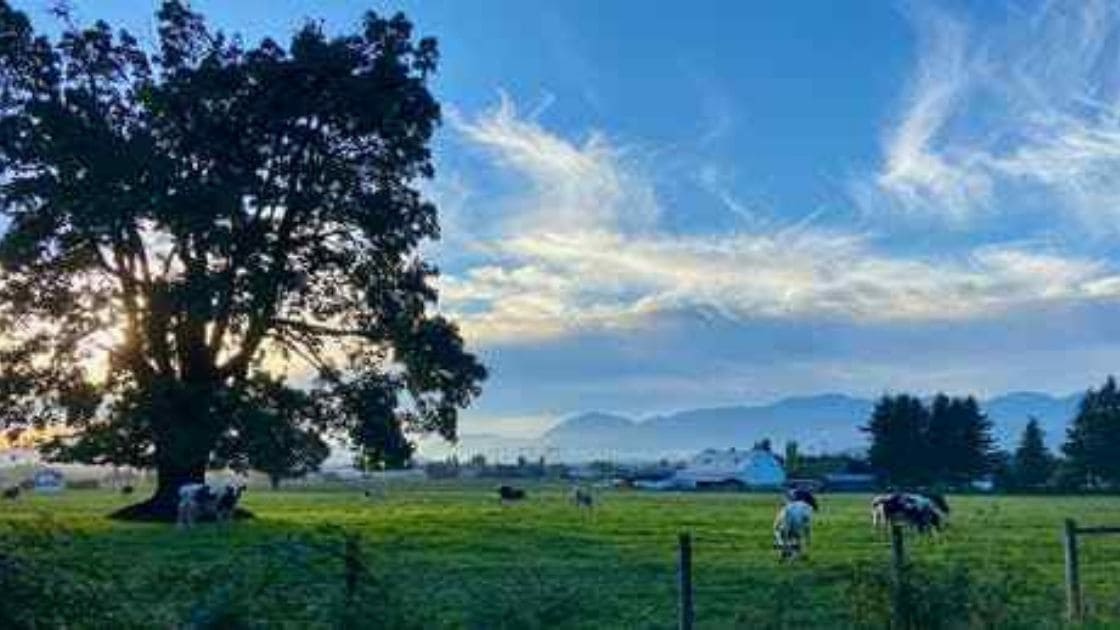
As researchers from the Food and Agriculture Institute at the University of the Fraser Valley, in British Columbia, we study food systems in transition. The Fraser Valley is home to 60 percent of B.C.’s dairy farms, so we’re especially interested in the impacts cellular agriculture might have on the dairy system. Animal agriculture plays a big role in the global food system. The Food and Agriculture Organization states that animal agriculture provides roughly a third of global food protein, supports the livelihoods of over a billion people and contributes to soil fertility. But animal agriculture is facing increased scrutiny, especially around environmental impacts and animal welfare issues. It is a significant source of greenhouse gas emissions, upwards of 16.5 percent of global emissions, by some estimates.
Animal agriculture is also vulnerable to extreme environmental conditions and climate change. Recent flooding in B.C. killed well over half a million farm animals and threatened to contaminate the sensitive freshwater ecosystems of the Fraser Valley with stored manure and agricultural chemicals. And it’s a known risk factor for zoonotic diseases and pandemics, such as H1N1 or the swine flu. One way to reduce the risks introduced by animal agriculture is to remove—or nearly remove—livestock from the food production equation. Cellular agriculture uses cell cultures to produce animal products without raising livestock, hunting or fishing. While still in its early phases, this technology could help meet growing demand for animal protein.