

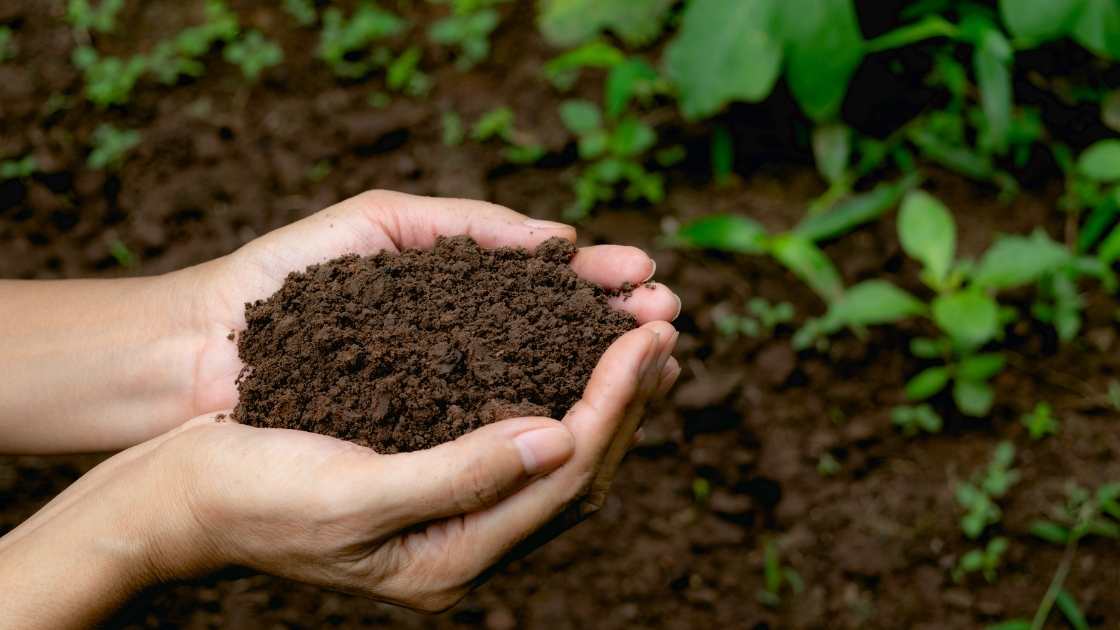
The number of microscopic organisms that live in a shovelful of rich garden soil exceeds the number of plants and animals inhabiting the entire above-ground Amazon rainforest. And the Amazon is known for having more plants and animals than any other land-based habitat.
Soil is what supports life on Earth. Most people give it little thought, but it feeds us and the ecosystems around us. It is where countless species make their homes. It collects water, pulls pollutants from the air and helps support the planet’s atmosphere. Soil is one of Mother Nature’s unsung heroes.
And while most soil looks like it’s static, just sitting there unmoving, it actually hosts plenty of activity. Its earthworms may be excavating tunnels. As they wiggle their powerful bodies from deep in the ground to nearer the surface and back down again, they also move old leaves and other bits of rotting debris in both directions: from top to bottom, and bottom to top. Where earthworms are active, they can turn over the entire top 15 centimeters (6 inches) of soil in 10 to 20 years.
Yes, worms are weightlifters. But they aren’t the only ones making changes. Other creatures below ground are too tiny to see with the unaided eye. These include one-celled creatures called protozoa. They improve soil by eating bacteria and releasing nitrogen, a nutrient that helps plants grow.
And then there are all those bacteria. Most people think of them as unwelcome and dangerous. In soils, they not only serve as prey to beneficial protozoa, but also perform an environmental service. They help recycle dead plant parts and animal tissues into nutrients. They even convert some pollutants in soil and water into more of the nutrients that can sustain the diverse species that make up vibrant ecosystems beneath our feet.
In fact, the addition of microbes from another area can sometimes benefit soils, finds a team led by Tamas Varga. Phosphorus is an essential nutrient for plant growth. But it tends to bind to metals or organic matter. And that can make it unavailable to plants.
The researchers collected plants growing near mountain streams in Western Washington. Back in the lab, they ground the roots into powder and mixed it with water, creating an emulsion. Then they ran tests and determined that microbes in and around plant roots could dissolve phosphorus-containing chemicals to make this nutrient more accessible to those plants.
Created By :- Banirupa Patra