

Enveloped in fog and an uneasy silence is Dhinkia, a village in Odisha’s Jagatsinghpur district that is at the centre of one of the latest flashpoints over land acquisition for industry. Until a fortnight ago, its residents had stood guard round the clock, blocking the entry of the administration and protesting against JSW Utkal Steel Ltd’s 13.2 million tonne per annum integrated steel plant that is proposed to come up here.
Following a police crackdown on January 14, violence had broken out between the two sides, leaving over 20 villagers and five policemen injured.
Since then, 17 villagers have been arrested, and many others are in hiding. A police contingent remains deployed less than a kilometre away from the village.
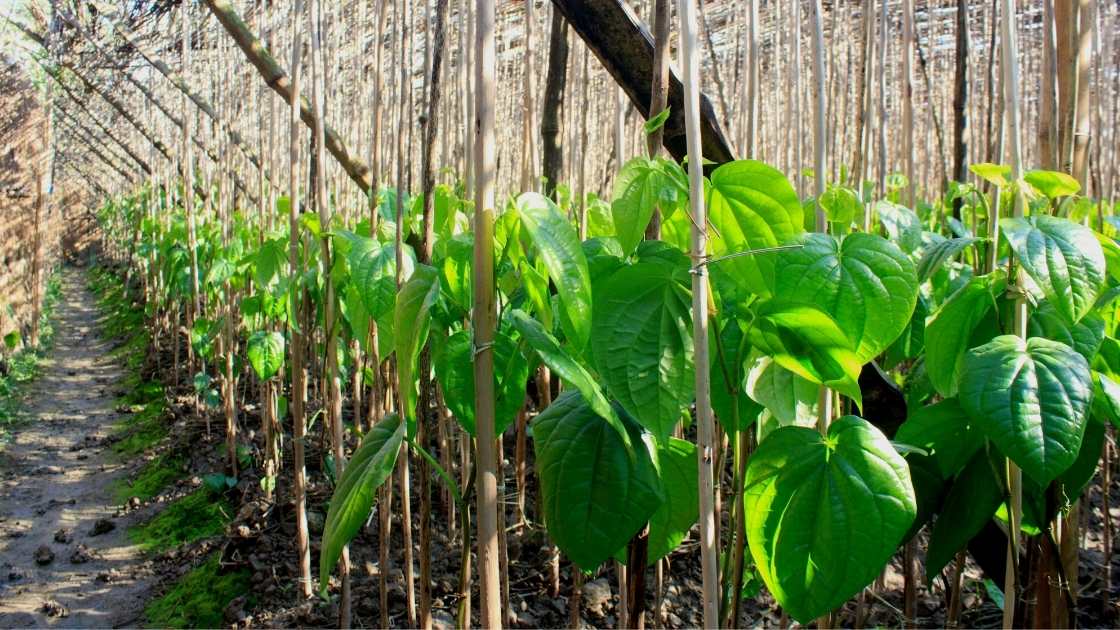
At the centre of the residents’ resistance to the JSW project is the fear of being displaced from their farmlands and losing their betel vineyards, a key source of livelihood. Dhinkia’s fertile land and the coastal environment are also ideal for growing the cashew cash crop that supplements the residents’ income.
This is not the first time Dhinkia has resisted an industrial project. Seventeen years ago, South Korean steel major POSCO had decided to build a similar facility in the area. It had to withdraw in 2017 following 12 years of protests by Dhinkia residents, with the National Green Tribunal eventually scrapping its environmental clearance.
The Odisha government later transferred the same land to JSW. The company’s proposed steel plant requires 2,950.31 acres of land, 30 per cent of which is planned to be acquired from Dhinkia, threatening its economy based around the “Paradip betel leaves” that are sold across the country.
“For generations, our families have depended on beetle vines. The weather, sand dunes and water supply make it conducive for betel. An industrial plant in our periphery means our water will eventually get contaminated,” said Prashant Samal, a resident. “They (the police) are destroying our vineyards and we are left to fend for ourselves. This will cost us around Rs 30,000 this month. Who will compensate us for that?” he asked.
“Even during off season we manage to earn Rs 12,000 or more just by selling our betel leaves. Our produce has gained popularity in such a way that we don’t go to the market, the market comes to us,” said resident Dilip Das. “What makes our produce stand out is that we don’t have to put in any extra effort or add any chemicals to it. The moisture, sand quality, weather, everything is optimum for betel farming here.”
Dhinkia village is home to nearly 4,000 people, more than 80 per cent of whom are from the Dalit community. The larger Dhinkia gram panchayat area has a population of nearly 11,000, according to sarpanch Kishore Parida.
The government has carved three new revenue villages — Mahala, Jogisahi and Patana — out of the gram panchayat, besides the existing Trilochanpura. Many residents opposed this exercise in December last year, saying the government was using a “divide and rule policy” to push the project through.
Another resident highlighted that most of the villagers, despite cultivating their lands for generations, do not have title deeds over them. “For generations we have lived here, this is our home. Today if they rehabilitate us, we will not get compensation, because they will pass us off as landless. This happens every time during natural calamities as well,” he said.
Erasama tehsildar P N Das said: “It is correct that most villagers are landless. But the land being acquired is government land on which they have grown betel vineyards. No private land is being acquired. No villager will lose any residential land.”