
The UN’s Food and Agriculture Organization (FAO) predicts a major rise in agricultural demand of 50% by 2050 compared to 2012. Around 71 percent of rainforest in South America has been replaced by grassland, with another 14 percent lost to animal feed production. One of the most significant outcomes of COP 26 was world leaders’ pledge to eliminate deforestation by 2030.
We know that cutting down trees at this magnitude has disastrous consequences for the climate and greenhouse gas emissions. But the consequences are far-reaching: forested watersheds provide 75 percent of the world’s accessible freshwater. With 80 percent of the world’s population facing danger to their water supply, trees serve a critical role in averting desertification and soil erosion. They also protect coastal regions from floods and are home to a diverse range of species, many of which are vital crop pollinators.
So, what are our options? Various foods leave different footprints, as we all know. Reducing the amount of animal-based products consumed will have a significant impact. One of the most powerful changes that individuals in the West can do to help save the world is to consume less meat.
But what if we could take it a step further? What if, instead of farming and forestry being in direct competition, we could devise a method that allowed food production and forest management to coexist on the same piece of land?
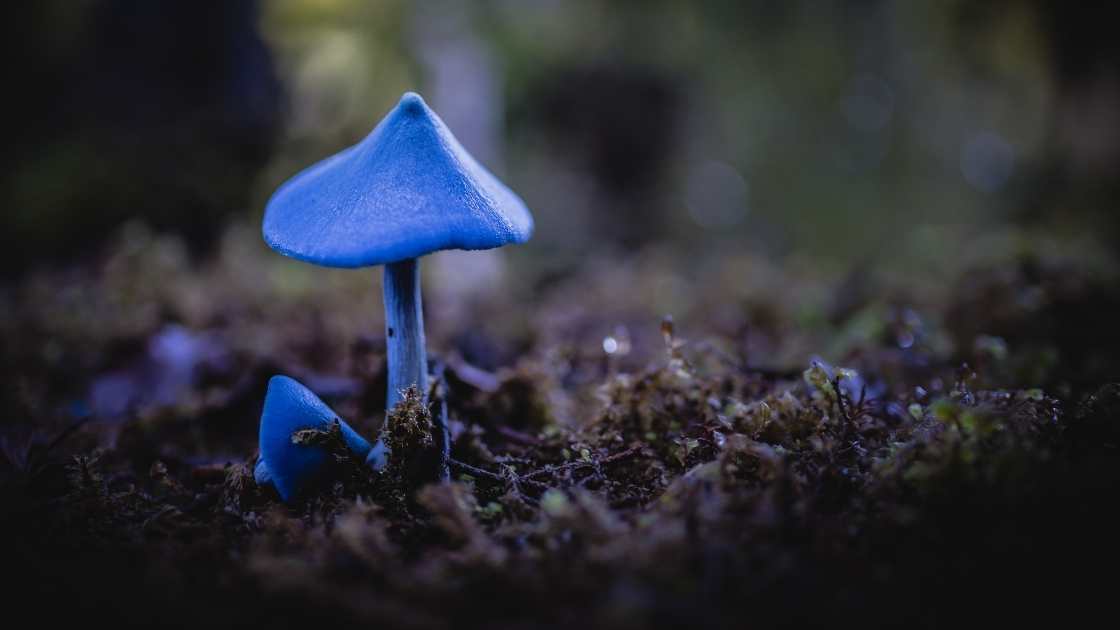
The blue color of this edible mushroom, which is high in nutritional fiber and vital fatty acids, makes it simple to identify safely. The blue milkcap might be a source of medicinal potential, with extracts displaying antibacterial characteristics and the capacity to destroy cancer cells.