

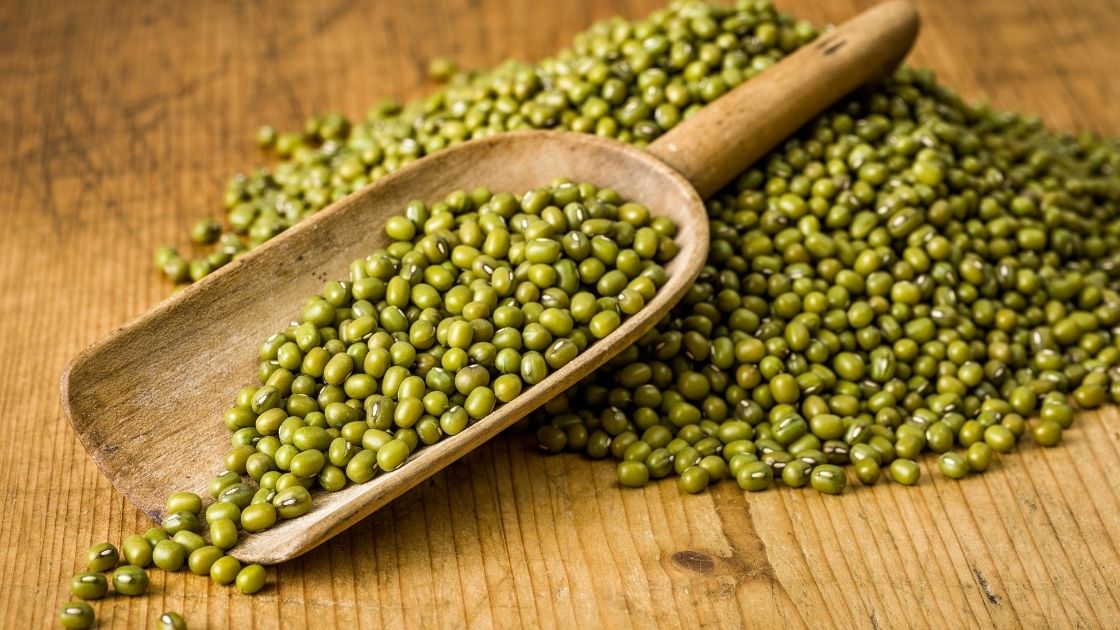
Pulse importers have encountered difficulties as a result of the government’s announcement last Friday restricting the import of moong beans with immediate effect. Moong beans could previously be imported “free” if a bill of lading was issued by March 31, 2022, and customs clearance was completed by June 30, 2022.
“In accordance with the “free” import policy, Indian market players have entered into enforceable contractual commitments for the import of moong from other countries into India,” said Bimal Kothari, vice chairman of the India Pulses and Grains Association (IPGA). Only two months ago, the Indian government approved the “free” entry of moong, but that policy was abruptly reversed. We request that the government reconsider the import restriction announcement and reinstate the “free” import policy on behalf of all market participants.”
“Frequent policy changes put Indian market players in a lot of trouble, while overseas counterparts are left in the dark. Changes like this are harmful to foreign trade and contradict India’s “Ease of Doing Business” goal. As a result, we recommend that the government provide the market adequate warning before implementing new rules that might jeopardise current trade obligations “Kothari continued.
“Because Indian importers have contracted shipments that are now in route to Indian ports, we are requesting that the Union Ministry of Commerce and Industry rescind this announcement. If these cargoes are not permitted to be imported, it would cause significant financial difficulty for Indian businesses as well as market pandemonium “he stated.
In its first advance estimates released on September 21 last year, the Agriculture Ministry estimated moong output at 2.06 million tonnes, up from the projected 2.02 million tonnes and the previous year’s fourth advance estimate of 2.01 million tonnes. The trade was anticipating a lower yield due to irregular rainfall patterns in areas such as Rajasthan, Karnataka, Maharashtra, and Madhya Pradesh, among others. Moong acreage is expected to be 5.13 lakh hectares in the current rabi season, which is less than the season’s average of 9.4 lakh ha and the previous year’s 7.03 lakh ha.