

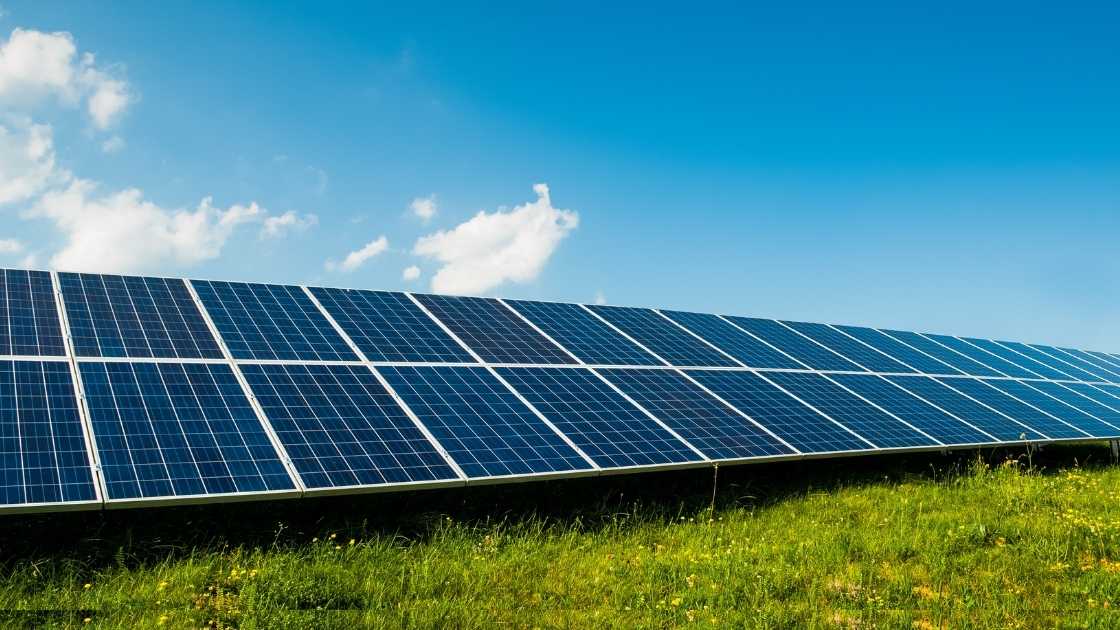
According to officials, it was proposed in a 25-year vision paper that coal-based power generation capacity be replaced by increasing the installed renewable energy generation base to 85 percent of total demand at a cost of ‘60 lakh crore.
According to this, coal’s contribution will be one-tenth of what it is now by 2047, confirming the Prime Minister’s carbon-reduction target. By 2047, the expected investment requirement for renewable energy capacity is 1,125 GW, with 50 GW of renewable energy equipment manufactured locally, implying a significant boost for such utilities.
According to a proposal produced by India’s renewable energy ministry, coal-fired capacity will expand to 267 GW by 2030 from its current 210 GW, then decrease to 140 GW by the country’s 100th anniversary. The construction of coal-fired power plants with a capacity of 40 GW is currently underway. According to the vision document, India would freeze its coal-fired power plant capacity and phase them out as they age.
On Thursday, Indu Shekhar Chaturvedi, the secretary of renewable energy, would host a virtual stakeholder engagement with the sector on the idea. Coal-fired power is predicted to account for 33% of the total installed capacity of 817 GW by 2030. Coal now accounts for about half of the entire installed capacity of 393 GW.
According to a senior government official, coal-based capacity will be reduced to 10.5 percent by 2047, in line with Prime Minister Narendra Modi’s net-zero commitment in Glasgow last November and his Independence Day announcement to make India energy self-sufficient by the 100th anniversary of independence. Renewable energy’s percentage of total generation is predicted to rise to 67 percent by 2047, up from 22 percent presently.
According to the statement, renewable energy is aiming to replace coal, which presently accounts for 73 percent of power output but is expected to drop to 24 percent in 25 years.
Renewable energy will account for 1,125 GW of the 1,325 GW anticipated installed capacity by 2047, with coal accounting for 140 GW and gas accounting for 10 GW. Nuclear power generation capacity is expected to increase to 50 GW in 2047, up from 7 GW presently.
According to the ministry, among the primary goals for the country in 2047 are energy independence and security, increased decarbonization of the energy sector, self-sufficiency in equipment manufacturing, and becoming a global hub for green hydrogen.
Experts say the plan is critical to India’s energy security, given the lessons learned from the consequences of Covid and, more recently, Russia’s invasion of Ukraine. In his Independence Day speech, Modi stated that India spends over 12 lakh crores on energy imports each year and that energy independence is critical for prosperity.