

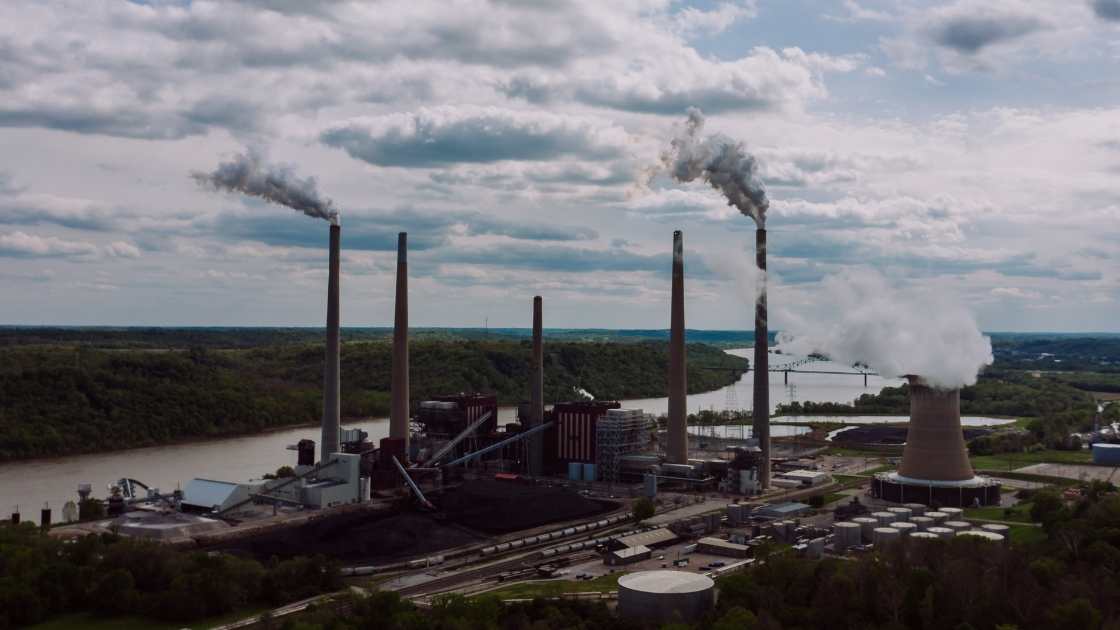
According to the International Energy Agency, the chemical-production sector is the single largest industrial consumer of oil and gas and the third largest carbon emitter, putting out just short of a giga tonne of carbon dioxide emissions in 2020. Acetone and isopropanol (IPA) are two widely employed commodity chemicals used as industrial solvents and platform chemicals for materials production, with a combined global market worth $10bn. Unfortunately, they are manufactured from fossil resources using highly energy-intensive techniques that release hazardous waste and greenhouse gas (GHG) emissions.
As the climate crisis intensifies, researchers are seeking alternative means to lessen the climate impact of producing these commodities. A newly released paper in Nature Biotechnology offers the first report of high-production-rate, high-selectivity, and industrially scalable production of acetone and IPA through fermentation.
Acetone and IPA are typically produced through the cracking and reforming of propene, both of which are energy-intensive processes with no green alternatives. Scientists have developed methods for biomanufacturing substances through sugar fermentation. Natural enzymes and microorganisms are used to metabolize these sugars and produce the desired products.
However, current techniques have low yields and selectivity, making commercialization impossible. Instead, the new study looked at autotrophic production as a starting point, using waste resources like carbon oxides (carbon monoxide or carbon dioxide) from heavy industry or syngas from biomass resources.
The collaborative research team from LanzaTech Inc., Northwestern University, and Oak Ridge National Laboratory, led by Ching Leang, Michael Jewett, and Michael Köpke, achieved industrially relevant productivities of up to about 3 g/l/h with continuous production over about three weeks and high selectivities of up to 90 percent.
These results are in stark contrast to previous leading rates of 3.8 mg/l/h and 1.2 percent selectivity. The collaborative research team from LanzaTech Inc., Northwestern University, and Oak Ridge National Laboratory, co-led by Ching Leang, Michael Jewett, and Michael Kopke, achieved industrially relevant productivities of up to 3 g/l/h with continuous production over about three weeks and high selectivities of up to 90%. These findings contrast sharply with the previous leading rates of 3.8 mg/l/h and 1.2 percent selectivity.
The researchers write that this contrast sparks hope for replacing an emissions-heavy process with a circular economic model “in which the carbon from agriculture, industrial and societal waste streams is recycled into a chemical synthesis value chain and displaces manufacture of products from fresh fossil resources”