

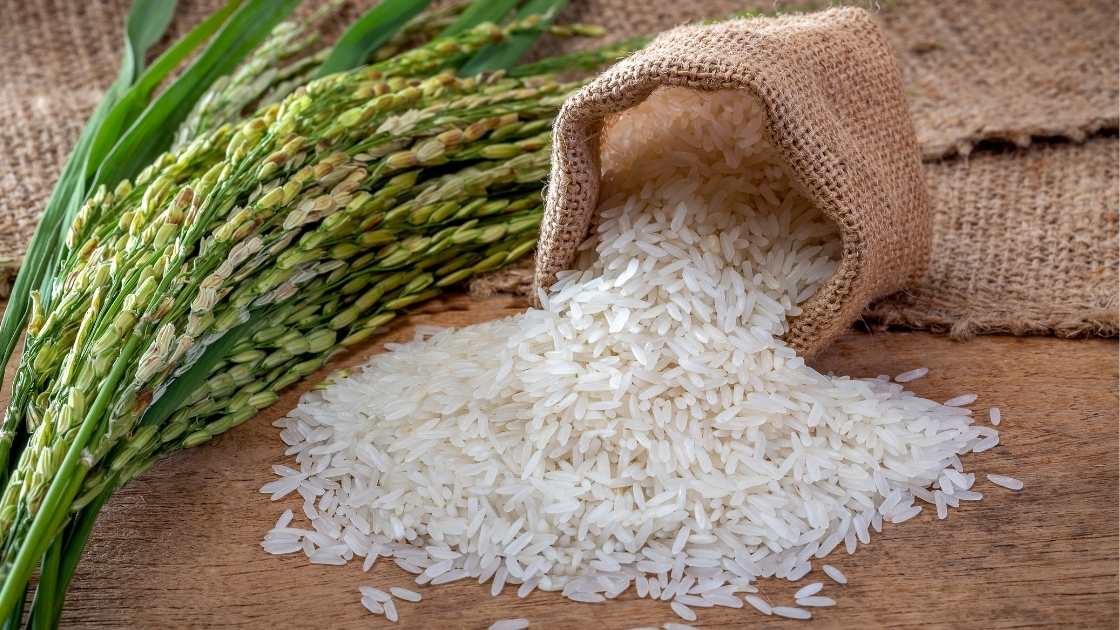
The Punjab Agricultural University (PAU) has produced and endorsed eight new rice, cotton, maize, mash, and fodder varieties for general cultivation in Punjab. Rice varieties PR 131 and PR 130, cotton variations PAU Bt 2 and PAU Bt 3, maize variant Punjab Baby Corn 1, mash type Mash 883, fodder (sorghum) variety SL 45, and fodder variety PCB 166 (bajra).
The varieties were accepted following a lengthy discussion at a meeting of the State Variety Approval Committee for Field Crops, which was chaired by Dr Gurvinder Singh, Punjab’s Director of Agriculture and Farmers’ Welfare. Dr. AS Dhatt, Director of Research, and Dr. Ashok Kumar, Director of Extension Education, were also present at the conference.
The PR 131 rice variety is a high-yielding, lodging-resistant variety. The PAU Bt 2 cotton variety is a Bt cotton with built-in resistance to spotted and American bollworms.
Few days back, PAU’s plant breeding dept developed wonder millet variety, that is touted as the perfect food for diabetes.
Dr. Ruchika Bhardwaj from the department of plant breeding and genetics at the Punjab Agricultural University (PAU), who is working as the millets breeder was recognized and appreciated by the Government of India when she developed pearl millets that have a higher level of zinc and iron and lower level of glycaemic index, which makes it the perfect food for diabetics.
Furthermore, the crops can resist temperatures of up to 42 degrees Celsius in extreme weather. However, it wasn’t an immediate success. For the past ten years, Bhardwaj has been heavily interested in pearl millet breeding and research. She’s created several trait-specific cultivars of both fodder and grain pearl millet.
Dr. Bhardwaj’s work in developing trait-specific varieties of high zinc and iron content pearl millets was appreciated by the PAMC committee of ICAR-AICRP.