

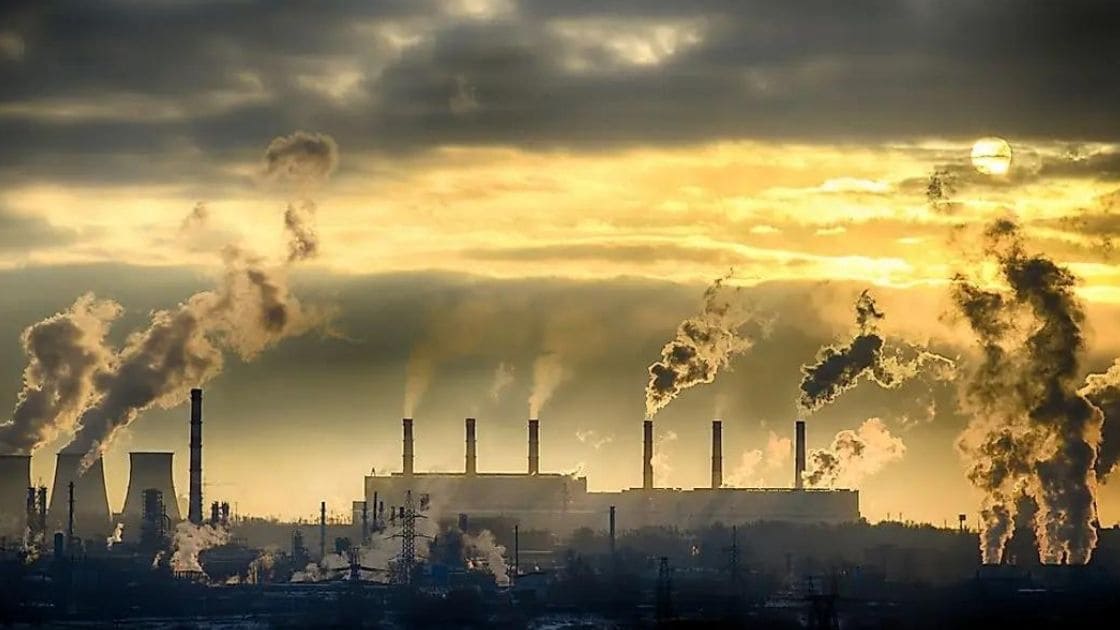
A carbon-negative process that produces industrial-scale quantities of acetone and isopropanol has been developed by researchers in the US. Their work could lead to the replacement of some emissions-heavy chemical production methods with more flexible and environmentally friendly processes.
According to the International Energy Agency, the chemical-production sector is the single largest industrial consumer of oil and gas and the third largest carbon emitter, putting out just short of a gigatonne of carbon dioxide emissions in 2020. Acetone and isopropanol (IPA) are two widely employed commodity chemicals used as industrial solvents and platform chemicals for materials production, with a combined global market worth $10bn. Unfortunately, they are manufactured from fossil resources using highly energy-intensive techniques that release hazardous waste and greenhouse gas (GHG) emissions.
As the climate crisis intensifies, researchers are seeking alternative means to lessen the climate impact of producing these commodities. A newly released paper in Nature Biotechnology offers the first report of high-production-rate, high-selectivity, and industrially scalable production of acetone and IPA through fermentation.