

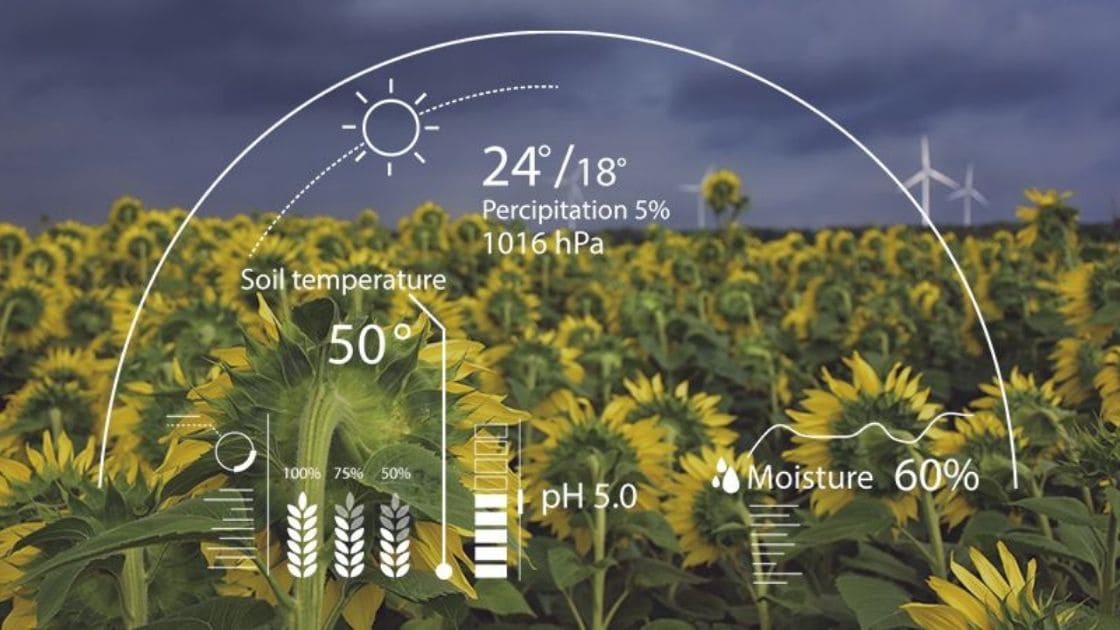
Artificial Intelligence (AI) has started making inroads in agriculture sector. Various organisation in India such as ICRISAT, Microsoft, CropIn, SatSure, DronaMaps among many others have started adoption of AI with agriculture, resulting into better yield and higher income for farmers. Rajesh Aggarwal, Managing Director, Insecticides (India) writes on this future technology.
It is one of the marvels of human innovation but artificial intelligence (AI) offers a tough competition to us. The days of speculating rain and sunshine may soon fade with artificial intelligence’s capability to predict right conditions with precision to an extent. It comprises one of the basic aspects of precision agriculture (PA) promoted even by the government to boost productivity and in turn, farmers’ income. AI-based sowing advisories lead to 30 per cent higher yields as Microsoft, in collaboration with International Crops Research Institute for the Semi-Arid Tropics (ICRISAT), developed an AI Sowing App powered by Microsoft Cortana Intelligence Suite including Machine Learning and Power BI. The app sends sowing advisories to participating farmers on the optimal date to sow without them installing any sensor in their fields or any additional cost; all they need is a phone capable of receiving text messages. The performance of AI on the fields have prompted NITI Aayog, to start a pilot project on precision agriculture using AI in 10 districts from seven states: Assam, Bihar, Jharkhand, Madhya Pradesh, Maharashtra, Rajasthan, and Uttar Pradesh.
Creating a pest attack prediction model again leverages AI and machine learning to indicate in advance the risk of pest attack. Common pest attacks, such as Jassids, Thrips, Whitefly, and Aphids can pose serious damage to crops and impact crop yield. To enable farmers take preventive action, guidance on the probability of pest attacks would be helpful. Farmers will get predictive insights on the possibility of pest infestation which will help them to plan, adopt pre-emptive measures and reduce crop loss due to pests. All this will certainly contribute to double the farm income. The measure to indicate the risk of pest attacks based on weather conditions and crop stage in addition to the sowing advisories is a help long overdue.
Shifting weather patterns including increase in temperature, rapid changes in rain patterns and levels, and ground water density can affect farmers; especially those who are cultivate unirrigated drylands and depend a lot on rains for their crops. Leveraging the cloud technology and AI to issue advisories for sowing as well as predict pest control and commodity pricing is a major move towards creating increased income for the farming community.