

Many exotic vegetables have historically been an intrinsic element of local cuisines and have become more popular than indigenous kinds. Exotic veggies have been introduced in India throughout the last few decades. Some of these exotic vegetables in India are still relatively unknown, while others are gaining popularity. For the time being, these vegetables are only available in high-end restaurants and to rich Indian families. Exotic vegetables have very high market value in India; they are commercially cultivated mostly in poly-houses or green shade net houses. However, growing these tasty & nutritious veggies in your home gardens is not as complicated as it seems. The majority of these vegetables can only be cultivated during India’s winter season. For the greatest results, the seeds should be planted in October or November. Many of them thrive in partial sunshine, and others, at least in the winter, can survive full sunlight. Plants require well-drained soil as well as organic manure. For this winter, here is a list of unusual Indian veggies that you may cultivate in your kitchen garden.
1. Parsley – This can be used as a flavouring herb as well as a garnish for sandwiches and salads. It is easily grown from seeds in containers and takes 6-8 weeks to mature.
2. Celery – The leaves and stem are used as seasonings in soups and salads. From seed to harvest, it takes about 4-5 months.
3. Chinese Cabbage – Although this vegetable is regarded as cabbage, it belongs to a separate species and is more closely linked to Turnip. This is a common ingredient in Chinese cooking.
4. Asparagus – The spear or ‘Top’ of its stem, which is the most vulnerable section, is blanched. Bromeliad Zebrina, also known as Aechmea Zebrina, is a beautiful plant.
5. Broccoli – This cabbage-like vegetable has recently gained popularity in Indian cuisine. Unlike cabbage and cauliflower, a single plant can produce a large number of broccoli heads over the course of the growing season.
6. Bell Pepper – These are non-pungent bell pepper types that come in yellow, red, and orange colours. For proper harvesting in the winter, seeds should be sown in the late monsoon.
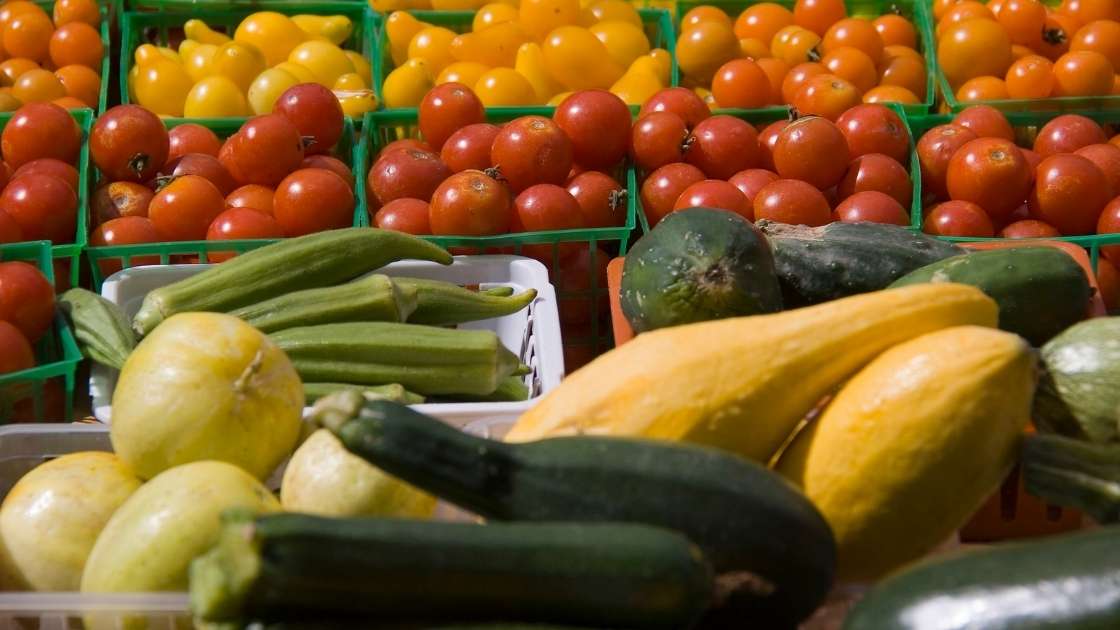
7. Cherry Tomato – This is a little tomato cultivar that is classified as a separate vegetable. The plant is fragile, producing cherry tomatoes in bunches during harvest season and requiring trellis support.
8. Red Cabbage – This is an unusual cabbage cultivar with a purple-red colouring. When red cabbage is cooked, it frequently becomes blue. It is required to add vinegar or acidic fruit to the pot in order to keep the red hue.
9. Zucchini – This summer squash variety is from the same family as other squashes and pumpkins. Typically, the fruit is cooked and served as a savoury dish or accompaniment.
Apart from these, vegetables such as turnip, lettuce, and hybrid cucumber may no longer be considered exotic in the coming years due to greater production. In the winter, exotic kitchen herbs can be cultivated alongside these veggies in the same conditions.
Created by : KETAN TANDON