

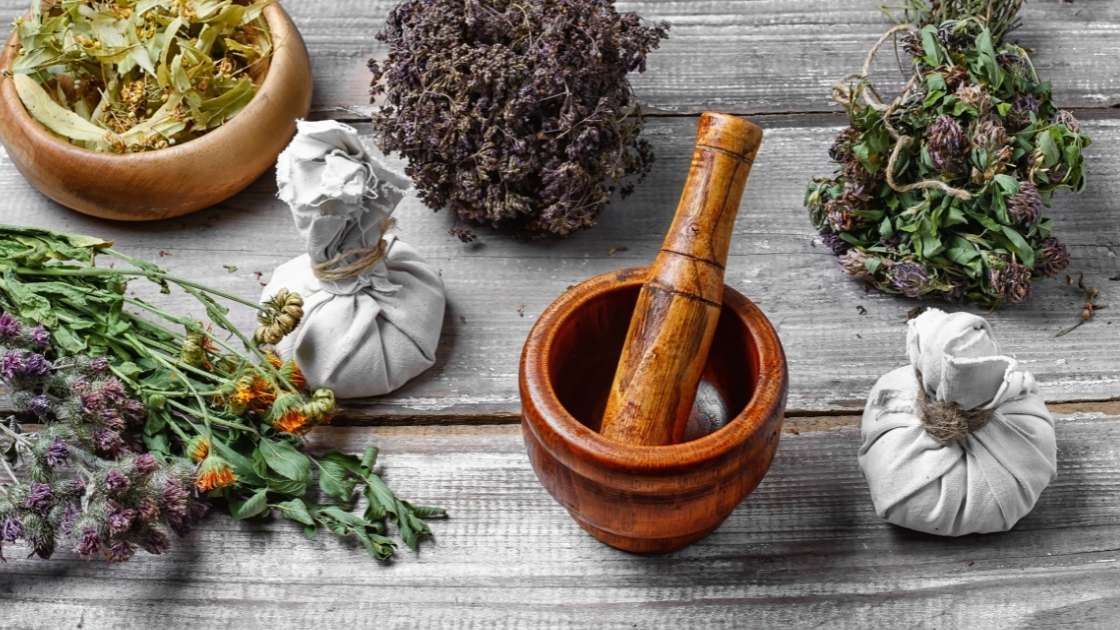
The term “medicinal plants” refers to a wide range of plants used in herbal therapy. The English term “herb” is derived from the Latin word “herba.” Herb currently refers to any plant portion, including the fruit, seed, stem, bark, flower, stigma, or root, as well as the non-woody part of the plant. Food, flavonoid, medicine, and perfumes are all made from medicinal plants. Long before the prehistoric period, plants were employed for medical purposes. Herbs have been used as medicine for 4000 years, according to ancient unani texts, Egyptian papyrus, and Chinese writings. Herbs were utilised in healing rituals by indigenous cultures such as Rome, Egypt, Iran, Africa, and America, while other developed traditional medical systems such as Unani, Ayurveda, Chinese medicine etc. Traditional medicine continues to be widely used for a variety of reasons. Increased emphasis on the use of plant materials as a source of medicines for a wide variety of human ailments has resulted from population growth, insufficient drug supply, prohibitive treatment costs, side effects of several synthetic drugs, and the development of resistance to currently used drugs for infectious diseases. Herbs were thought to be the only answer to a variety of health problems and ailments by ancient experts. They made a thorough investigation into the subject and used their knowledge to draw correct findings regarding the efficacy of various herbs with medicinal value. The majority of the medications created in this manner have no adverse effects or responses. This is why herbal medicine is becoming increasingly popular around the world. These medicinal plants provide a sensible approach of treating a variety of interior ailments that are otherwise regarded difficult to treat. Aloe, Tulsi, Neem, Turmeric, and Ginger are medicinal plants that can help with a variety of diseases. In many regions of the country, these are considered home cures. It is common knowledge that many people use basil (tulsi) to make medication. The growing importance of these medicinal plants is somewhat seen in the country ,during the corona virus pandemic . Many people across the country were consuming the ayurvedic tablets made out of some most common medicinal plant ingredients such as Giloy , Ashwagandha, Mulethi etc. Many other countries across the globe came to know about these plants and their results in curing the disease and some of these countries even started practicing the use of these medicinal plants. A farmer producing atis herb largely utilized in ayurvedic medication, in the higher reaches of uttrakhand and himanchal Pradesh may easily earn 2.5-3 lakh for each acre of land . Hence the use of medicinal plants is a growing opportunity for people who are looking to gear up start ups and business in the agriculture sector . In India’s AYUSH systems, around 8000 herbal treatments have been codified. The principal systems of indigenous medicines are Ayurveda, Unani, Siddha, and folk (tribal) medicine. Ayurveda and Unani medicine are the most sophisticated and commonly practised of these systems in INDIA.
Created by : KETAN TANDON