

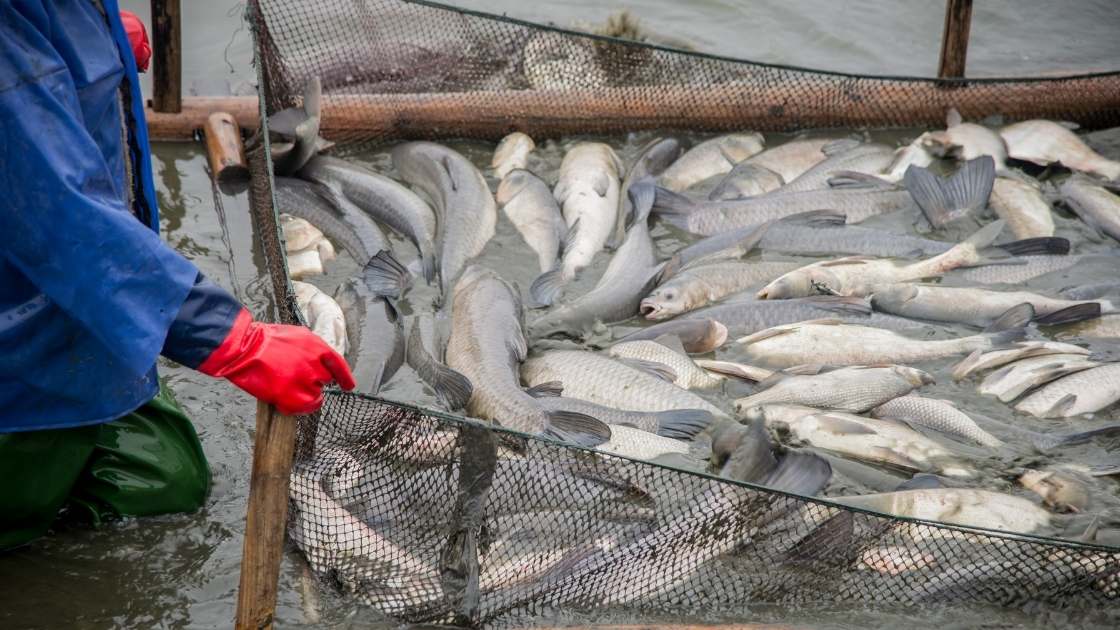
Incentives for research and development, as well as formal finance and insurance for aquaculture, have been requested in the 2019 Budget by the agri-tech and aquaculture sectors. The agritech sector also requested government assistance in the form of tax breaks and eligibility requirements in order to accelerate its growth.
AgNext Technology’ CEO and Founder, Taranjeet Singh Bhamra, stated “The year 2021 was a successful year for the agritech sector, which grew thanks to increased investments and market adoption of new technologies. The development of the developing agritech ecosystem is critical to maintaining this growth pace. We expect that the 2019 budget will prioritise agricultural R&D incentives, as well as the supportive push that will allow agritech companies, particularly start-ups, to scale domestically at a faster rate. To stimulate more innovation in the agritech ecosystem, infrastructure development and governance frameworks must be prioritised. In order to assist the growth of the Indian agritech sector in 2022, fiscal considerations may be useful.”
The aquaculture industry believes that driving the inclusion of formal finance and insurance in aquaculture is critical to meeting the Pradhan Mantri Matsya Sampada Yojana (PMMSY) targets.
“The PMMSY has shown some outstanding outcomes since its introduction,” said Rajamanohar Somasundaram, Founder & CEO of Aquaconnect. We expect a bigger push to promote digital solutions across the value chain, from pre-production to post-harvest, to add predictability, efficiency, and traceability to the Blue Revolution 2.0. Farmers will be enticed to adopt data-driven farming, farm monitoring, and automation tools as a result of higher subsidies, which would eventually ease and accelerate wider tech adoption and promote the shift of farmers to modern agricultural systems with increased productivity.
Because high insurance premiums discourage farmers from seeking risk mitigation for their crops, subsidising insurance rates will aid fish and shrimp producers in mitigating production risks and lowering production costs. Increasing the fishery KCC limit from its current range will also help farmers cover all of their farming costs, he noted.
Unnati’s Co-Founder, Amit Sinha, stated “To accelerate the sector’s success and transform agriculture into a vibrant, tech-led sector, the government will need to provide assistance in the form of tax breaks, qualifying requirements, and other measures. Additional focus areas could include allocating funds for increased digitalization in the agricultural ecosystem, encouraging district government and Agritech startups to collaborate in order to bring innovative solutions to the farmers market, and providing subsidies or tax reductions to farmers who choose Agritech products. Easy access to finance, tax relief, and interest subsidies to stimulate FPO formation would assist the agritech industry grow swiftly and help FPOs establish themselves in this new century.”